SZA, Jay-Z, Beyoncé and More Call Out ICE for Using Their Music

All year long, Immigration and Customs Enforcement (ICE) has been more than just a government acronym – it’s been a force tearing through communities, separating families, and instilling fear in people whose only “crime” is wanting safety, opportunity, and dignity. From aggressive raids to deportations that rip children from their parents, the agency’s actions have left a trail of pain that too many families have lived through in real time. Beyond the headlines and statistics, real people – Black, Brown, and immigrant communities – have felt the toll in their daily lives, in the silence of empty chairs at dinner tables and the haunting uncertainty of who might be targeted next.
As the injustices stack up – ICE patrols in neighborhoods, detention centers with questionable conditions, and the broader federal push to criminalize migration – voices have risen to push back. Activists, organizers, and everyday citizens have protested, sued, educated, and demanded accountability. They’ve forget networks of mutual aid to support those hit hardest and have spent countless hours trying to navigate the system that was never designed to see them as human first.
In the midst of that resistance, some of the loudest voice have come from a place many politicians never fully understand: music. Artists have long been storytellers for their people, chroniclers of struggle and triumph with platforms huge enough to reach millions. They often speak not just as entertainers but as cultural representatives who feel a responsibility to use their influence for something greater. When they see systems of oppression like ICE’s tactics in action, many of them feel compelled to step into the arena.
One of the ways these artists have made their opposition clear is by standing up against ICE’s use of their music. In recent months, federal agencies have begin pairing enforcement videos – clips of arrests, deportations, and recruitment content – with popular songs to soundtrack their messaging. What might seem like background noise to a casual viewer is deeply personal to an artist whose work is being repurposed to bolster an agenda they fundamentally disagree with. Big name musicians across genres like SZA, Jay-Z, and Beyonce have publicly condemned these practices, demanding their art not be weaponized in service of policies that undermine humanity.
That pushback is about more than just copyright – it’s about identity, respect, and accountability. When artists raise their voices, their words resonate with fans and communities who know all too well what ICE inspired fear looks like. Their protests are part of a wider cultural moment, where resistance isn’t limited to protest signs but pulses through the beats and voices of the people who make the soundtrack of our lives.
Below, check out a list of artists who have publicly pushed back against ICE, DHS, or the White House using their music:
SZA
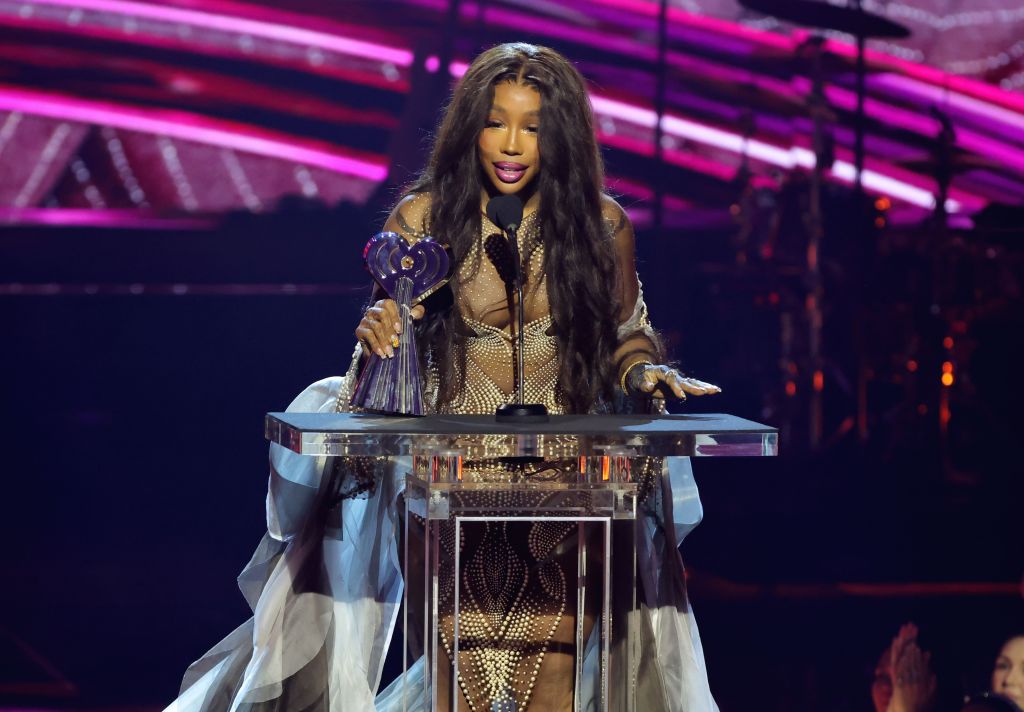
SZA condemned the White House for using “Big Boys” in an ICE video showing tactical operations. SZA called the action “peak dark” and said it twisted the meaning of her work.
Jay-Z (via copyright action)

After “Public Service Announcement” was used in an ICE recruitment clip, the audio was stripped following what appears to have been a copyright complaint – an indirect but firm rejection of the usage.


