Henry Ruggs III Graduates From Alabama While In Prison
Down But Not Out: Henry Ruggs Graduates From The University Of Alabama While In Prison
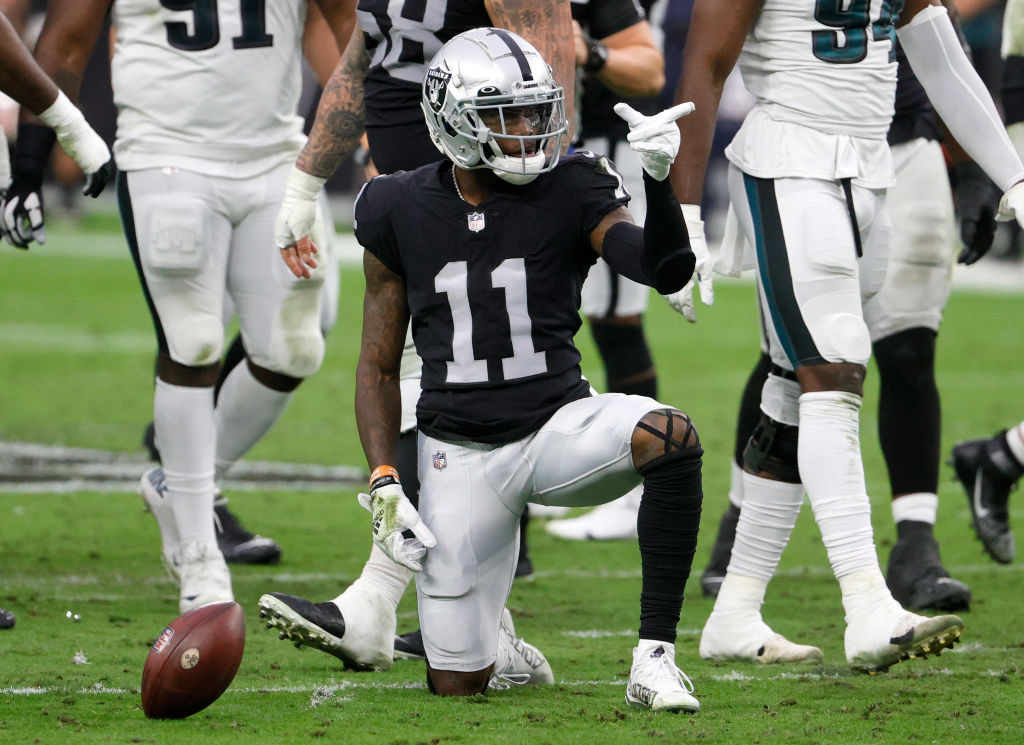
Henry Ruggs III was once one of college football’s most electrifying wide receivers, a blazing speedster out of the University of Alabama whose 4.27-second forty-yard dash lit up draft boards and brought him to the Las Vegas Raiders as the 12th overall pick in 2020. Coming out of Tuscaloosa, he was more than just a deep threat – he was a symbol of Black excellence, resilience, and joy in a sport where Black athletes often carry the hopes of their communities. But in November 2021, that bright trajectory came to a devastating halt when Ruggs, driving over 150 mph with a blood-alcohol level more than twice the legal limit, crashed into another vehicle in Las Vegas, killing 23 year-old Tina Tintor and her dog. Once the Raiders learned of the crash, they released him immediately, and prosecutors filed charges that could have kept him behind bars for decades.
In 2023, Ruggs pleaded guilty to felony DUI resulting in death and misdemeanor vehicular manslaughter as part of a plea agreement. A judge sentenced him to three to ten years in a Nevada state prison, an outcome that reflected both the tragic loss of life and the complex legal negotiations that shaped the case. Ruggs, now in his mid-20s, has since been serving his sentence amid a custody journey that has seen him initially in a low-security transitional housing program and, more recently, transferred to a medium-security facility in northern Nevada. Authorities have not publicly detailed the reason for the move, though transfers often occur after institutional infractions or updated custody assessments. His earliest eligibility for parole remains set for August 2026, even as mandatory parole considerations were adjusted under updated prison policies.
Despite the weight of his actions and the pain his choices have caused, Henry Ruggs has tried to find a path toward personal growth while incarcerated. In a moment that surprised many, his name appeared on the University of Alabama’s commencement list this past fall, indicating he had completed his bachelor’s degree with a perfect 4.0 GPA and earned a place on the President’s List. Balancing coursework while serving time isn’t something many prisoners accomplish, and for Ruggs, it was a quiet but powerful statement about his desire to grow beyond the person who made that night’s catastrophic decision. For some, his academic success is a sign he’s trying to turn a new leaf; for others, it’s a complicated reminder that redemption is never simple, especially when a lost life hangs in the balance.
Now, as Henry Ruggs continues to serve his sentence and prepare for the possibility of parole, the story of his graduation sits alongside discussions about accountability, change, and second chances – especially within Black communities that know all too well how men can be lifted by talent and sometimes fall painfully short of the value they once embodied. Whether this degree will meaningfully shape his life after incarceration remains to be seen, but it highlights one thing—Ruggs is wrestling with the consequences of his choices while trying to forge a future that honors both his potential and the deep harm of his past. That tension, between responsibility and hope, is at the heart of his evolving narrative.
RELATED: How Come So Many Former NBA Players Find Themselves In Legal Trouble?


