How The Loneliness Epidemic Is Affecting Black Men
- Cultural expectations of toughness and self-reliance discourage Black men from seeking mental health support.
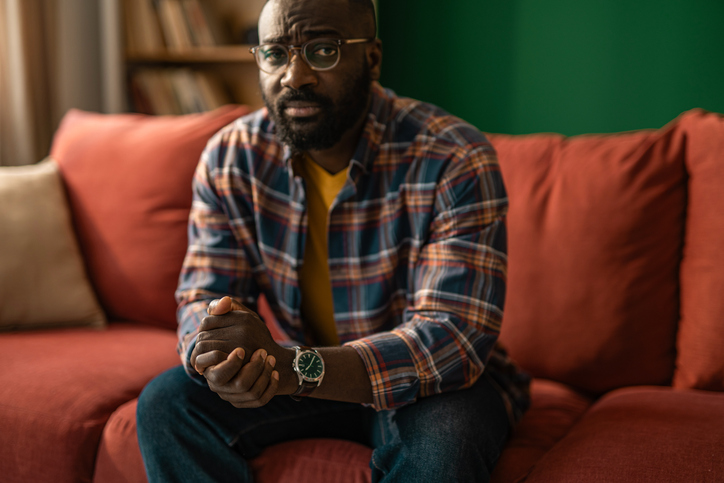
Loneliness is a profound and often painful experience that affects people of all genders and ages, yet its impact on Black men has gained increasing attention in recent years.
What is male loneliness?
According to Charlie Health, male loneliness is a complex issue shaped by social and cultural dynamics, particularly traditional ideas about masculinity that discourage emotional openness and vulnerability. Many men struggle to express feelings of isolation or seek help due to stigma, leaving them to navigate loneliness in silence. As conversations around mental health continue to evolve, understanding the causes and consequences of male loneliness is critical to building a more supportive environment for Black men’s emotional well-being.
Recent data highlights the scale of the issue. A 2024 KIFF study found that one in six adults reported feeling lonely always or often that year, with rates soaring among Black men ages 18 to 29, hovering at 35% compared to White men of the same age range (33%).
The alarming trend continued well into 2025, too. Notably, research published in Ethnicity & Disease in March 2025 examined 1,200 Black men and found that nearly one in four reported feeling isolated from others. The research also revealed a strong link between loneliness, chronic health conditions, and obstacles to effectively managing disease.
So, why is loneliness affecting our Black kings at an alarming rate? Access to support networks plays a major role in these outcomes. Black men are somewhat less likely than White men to report having a strong local support system. Shockingly, just over four in ten Black men say they have friends or family nearby they can rely on, compared to over half of White adults. Without a strong support system, loneliness can take a toll on the mental health of the Black men we love and cherish.
How does loneliness develop?
Male loneliness often develops through early socialization. Many men are taught to suppress emotions and avoid vulnerability, which limits their ability to form deep emotional bonds. Traditional masculinity stresses the importance of independence and self-reliance, traits that can discourage men from seeking support or admitting emotional distress. Over time, this can lead to friendships that lack emotional depth and a reluctance to engage in honest conversations about mental health.
Social change has also intensified feelings of isolation. Shifting family structures, increased mobility, and demanding work environments make it harder for men to maintain long-term social connections. Workplace stress and long hours can crowd out personal relationships, especially when work becomes a primary coping mechanism. In these circumstances, loneliness can quietly take hold without obvious warning signs.
Cultural expectations and systemic barriers
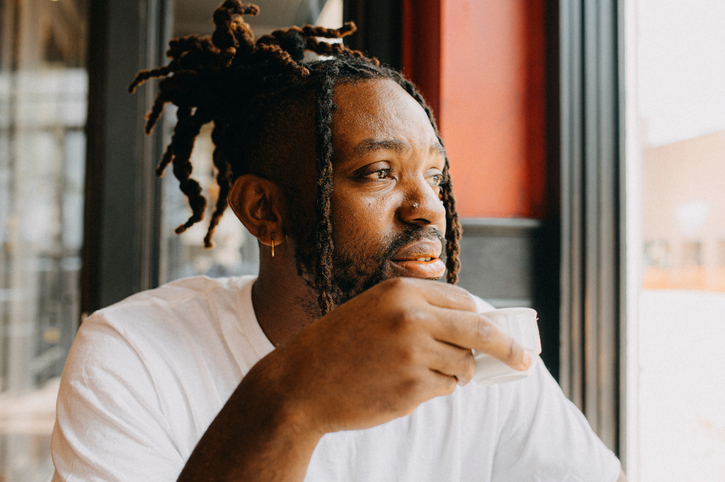
For Black men, loneliness is often compounded by cultural expectations and systemic barriers. According to the AAMC, Black men are frequently affected by what researchers call “Tough Guy Syndrome.” The Man Up Man Down Research Program, a Michigan-based initiative, examined this phenomenon through focus groups conducted between 2010 and 2018. Researchers found that many African American men associate being a “real man” with providing for family, earning respect, achieving financial success, and remaining tough and self-sufficient. For men facing racial discrimination, limited economic opportunities, and unequal access to education, embracing toughness can serve as a source of pride and self-worth.
However, the costs of this mindset can be severe. While major depressive disorder is diagnosed less frequently among African American men than White men, Black men who experience depression often face more chronic symptoms and greater impairment in work and relationships. They are also significantly less likely to seek mental health services, increasing the risk of untreated mental illness. As researchers note, there are serious downsides to being a “tough guy,” and “manning up” can ultimately lead to a man going down.
During a 2023 interview with The Atlanta Voice, licensed mental health counselor Dr. Luis Hines expanded on this reality, explaining, “Men keep a lot of stuff in their heads. They don’t like to talk, they don’t like to express themselves, and they believe they have to do things by themselves. They don’t like to be vulnerable with their emotions. These are all signs that can lead to loneliness and, perhaps, some mental defects.”
What are the symptoms of loneliness in Black men?
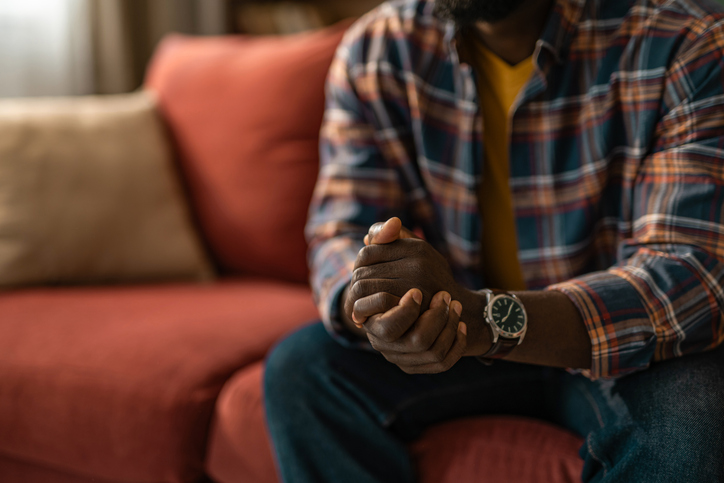
The mental and physical consequences of loneliness are far-reaching. Psychologically, prolonged isolation is linked to depression, anxiety, increased stress, difficulty concentrating, and feelings of hopelessness. Physically, chronic loneliness has been associated with cardiovascular disease, weakened immune systems, and disrupted sleep. The relationship between mental and physical health makes loneliness a serious health concern rather than a temporary emotional state.
Life transitions can further intensify isolation. Retirement, divorce, the loss of a partner, or major changes in routine can disrupt social connections and deepen feelings of loneliness. Behavioral changes such as withdrawal from friends and family, irritability, altered sleep or eating habits, and noticeable shifts in mood are often signs that a man may be struggling with isolation.
How do we address loneliness in Black men?
Addressing male loneliness requires cultural and personal change. Creating environments that encourage emotional expression, redefining strength to include vulnerability, and normalizing mental health support are essential steps. Reminding men that seeking help is an act of courage rather than weakness can open the door to healing. Loneliness thrives in silence, but connection, through conversation, understanding, and community, has the power to transform lives, especially our Black kings.
RELATED: Steph Curry Talks Mental Health Struggles Of Dealing With Impostor Syndrome & NBA Ownership Dreams


