NBA To NCAA? The New Trend Of Pros Heading Back To College
NBA To NCAA? The Weird New Trend Of Pros Heading Back To College Hoops
- NCAA rules changes enable players to earn money and regain eligibility after going pro.
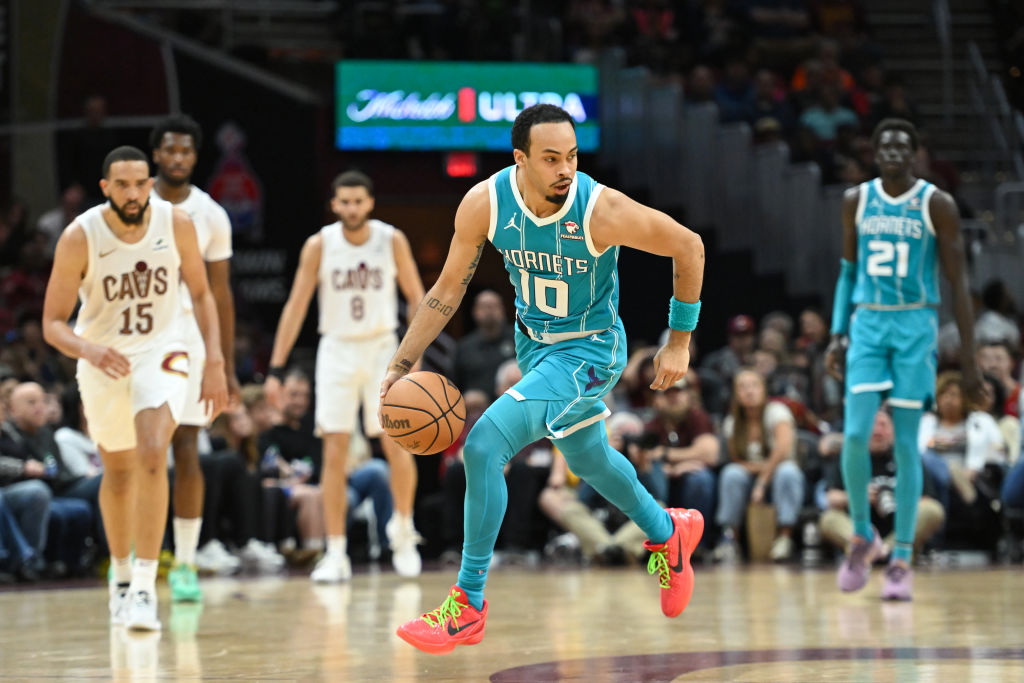
For as long as basketball fans can remember, the path was pretty straightforward: dominate in high school, make noise in the NCAA, then hope your name gets called on draft night. That pipeline was the dream, the blueprint, the only way it was “supposed” to go. But in 2026, that script is getting flipped on its head. Instead of college being the final stop before the league, we’re now seeing something wild — players who already made it to the NBA choosing to head back to college basketball. It feels backwards, almost taboo, but it’s becoming a real conversation in today’s game.
A big reason for this shift is the dramatic changes in the rules around college basketball. Between NIL (Name, Image, and Likeness) deals, extended eligibility windows, and a more flexible transfer landscape, the NCAA no longer looks like the rigid system it once was. Players can now earn real money while staying in school, build their personal brands, and — thanks to eligibility adjustments and evolving interpretations of amateur status — find ways to return after brief pro stints. These changes didn’t come out of nowhere either. They were responses to years of criticism about players being exploited, lawsuits challenging NCAA control, and the undeniable reality that athletes were driving billion-dollar industries without seeing the benefits.
This new reality looks nothing like the old model. Before, once you declared for the NBA and played professionally, college ball was basically off-limits forever. Now? The line between amateur and professional is blurrier than ever. Players who don’t stick in the league right away — whether due to limited minutes, development issues, or bad situations — can look at college as a place to reset. A recent headline example is Amari Bailey, whose attempt to regain NCAA eligibility after playing NBA games has turned heads. Then there’s Charles Bediako, who actually returned to play for Alabama after a stint in the G League and a two-way NBA contract, by winning a court ruling that forced the NCAA to let him suit up. International star James Nnaji has already landed at Baylor after time in professional leagues overseas and being drafted — showing that the NCAA’s definition of “eligible” is now playing out in very different ways across players and situations. While not every case is identical, the message is clear: college hoops is becoming a real destination after pro experience, not just before it.
Of course, not everyone is rocking with this trend. Critics say it waters down the spirit of college sports, creates competitive imbalances, and turns campuses into semi-pro leagues with boosters acting like front offices. There’s also the argument that it clogs opportunities for younger players trying to earn scholarships or minutes. But from the players’ perspective, the benefits are clear. More leverage. More control. More time to develop without being buried on an NBA bench or bounced around the G League. For once, athletes can make career decisions that actually center them, rather than a system that treats them as disposable assets.
Looking ahead, it’s hard to ignore how this could reshape basketball altogether. If this trend continues, we might see the NCAA become a legitimate alternative development lane — almost a middle ground between high school and the pros. The NBA may eventually need to adjust its own pipeline, whether that’s expanding G League opportunities, creating clearer two-way development paths, or partnering more closely with colleges. Either way, the days of a straight line journey from campus to the league are clearly over. The game is changing in real time, and while nobody knows exactly where this leads, one thing is for sure — the sports world will be right here watching how it all plays out.


