Ranking The Biggest NBA Trades In 2026
- Blockbuster deals like AD to Wizards and Harden to Cavs show teams prioritizing win-now moves.
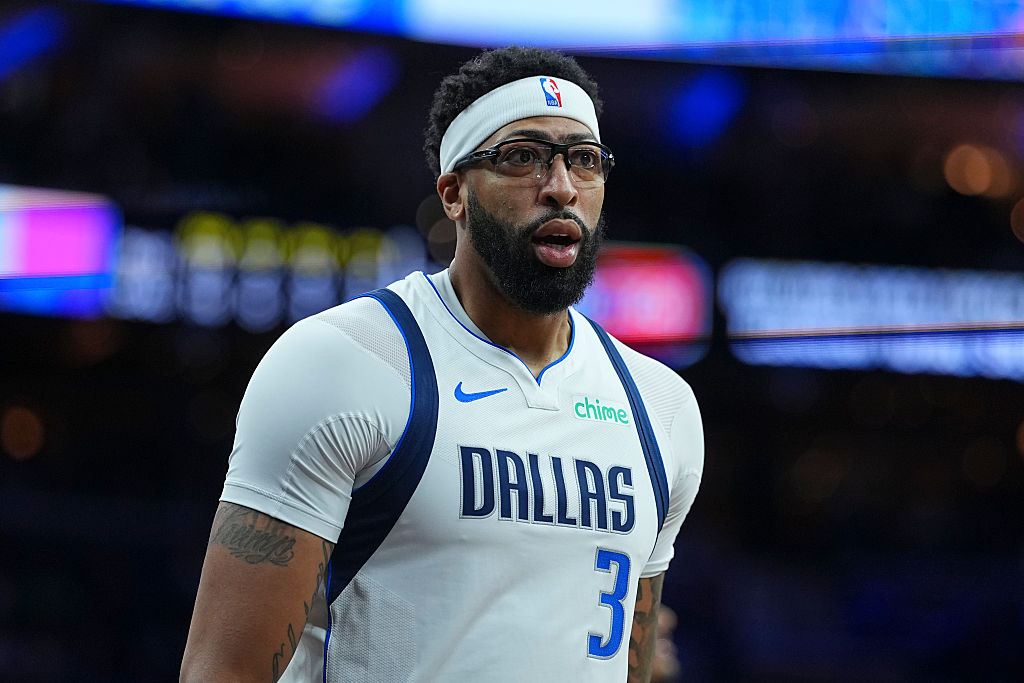
NBA trades have shaken up the season and we’re here for it!
The NBA season always has those “everybody’s locked in” moments, and we’re creeping up on a big one: All-Star Weekend. But before we can even get to the vibes, the league had to survive the other annual tradition — the Trade Deadline, also known as the most stressful group chat in sports. As of February 5th, the deadline has officially closed, and it unfolded as expected: noisy, chaotic, and filled with last-minute surprises.
That’s why fans can’t look away. The NBA Trade Deadline is basically the league’s midseason plot twist — teams either go all-in, hit the panic button, or quietly slide a move through that makes you go, “Wait…why does that make sense?” Some people love it because it feels like instant change: new duos, new rotations, new ceiling. Others hate it because it can break up a squad you’ve been emotionally invested in since October. Either way, it’s pure entertainment…until it’s your team and your favorite player is packing.
Leading up to it, the biggest cloud hanging over the league was the uncertainty around Giannis Antetokounmpo. Every day, it was a new rumor, a new “mystery team,” a new fake trade machine screenshot going viral. But after all the speculation, offers, and noise? The Greek Freak is staying put — at least until the summer. No mega-domino fell, but that didn’t stop front offices from moving like it was Black Friday.
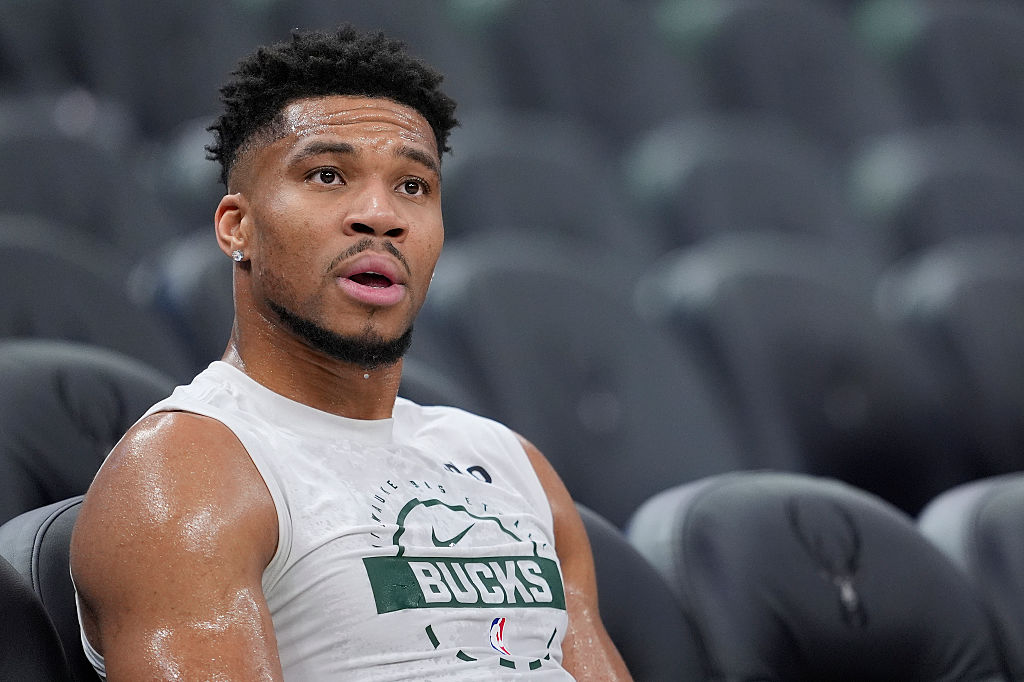
Even when the headline star doesn’t move, the league still does. Whether it was a small trade to get under one of the aprons, a team snagging a guard to plug a hole, or a contender adding one more chess piece for a playoff run — GMs stayed on those phone lines and struck deals right up until they literally couldn’t anymore. When the dust settled, the deadline still gave us plenty to discuss. So with that…here are the Top 10 biggest NBA trades of 2026, ranked by impact, stakes, and how much the move can swing somebody’s season (or future).
TOP 10 BIGGEST NBA TRADES OF 2026
10) Lakers trade for Luke Kennard
- Trade: Lakers get Luke Kennard; Hawks get Gabe Vincent + a 2032 second-round pick
- Why L.A. did it: This is a classic “we need shooting like yesterday” move. Kennard’s gravity changes spacing instantly — especially in playoff minutes where one extra defender helping off a shooter can kill your whole offense.
- Why Atlanta did it: The Hawks turning a specialist into a guard plus a future pick is clean asset management. Vincent chan soak up minutes, and the second gives them flexibility for another deal later.
9) Thunder land Jared McCain
- Trade: Thunder get Jared McCain; Sixers get a 2026 first-round pick + three future second-round picks
- Why OKC did it: The Thunder stay hunting upside — McCain fits their whole identity: young, skilled, and ready to grow inside a real system. It’s a “we’re good now, but we’re building a monster” type move.
- Why Philly did it: Picks are oxygen. If you’re trying to retool fast, turning a young player into a first and multiple seconds gives you ammo for the next star chase or roster patchwork.
8) Hornets snag Coby White + Mike Conley
- Trade: Hornets get Mike Conley Jr. and Coby White; Bulls get Ousmane Dieng, Collin Sexton, plus multiple second-round picks (2029, 2031 x2)
- Why Charlotte did it: This is about stabilizing the backcourt. Conley’s leadership + White’s juice gives the Hornets real structure, especially since things have seemed a bit chaotic at guard all season.
- Why Chicago did it: Sexton is a swing-for-talent move, Dieng is a development bet, and the extra seconds keep the pipeline flowing. It’s not flashy — it’s a front-office saying, “We’re reshaping the timeline.”
7) Timberwolves trade for Ayo Dosunmu
- Trade: Wolves get Ayo Dosunmu + Julian Phillips; Bulls get Rob Dillingham, Leonard Miller, and four second-round picks (2026, 2027, 2031, 2032)
- Why Minnesota did it: They wanted a guard who could actually defend and survive real playoff possessions. Ayo gives them steadiness without needing plays drawn up for him every trip.
- Why Chicago did it: This is a volume play: two young pieces + a stack of seconds. If you’re pivoting, those picks can become players or trade currency.
6) Warriors flip for Kristaps Porziņġis
- Trade: Warriors get Kristaps Porziņġis; Hawks get Jonathan Kuminga + Buddy Hield
- Why Golden State did it: This is a ceiling move. Porziņġis can stretch the floor and protect the rim — two things that can completely change a postseason matchup. Also, the Kuminga drama had to finally come to an end, one way or another.
- Why Atlanta did it: Kuminga is the headline: young, athletic, and still climbing. Add Hield’s shooting and suddenly the Hawks get both present-day spacing and future upside.
5) Celtics add Nikola Vučević
- Trade: Celtics get Nikola Vučević + a 2027 second; Bulls get Anfernee Simons + a 2026 second.
- Why Boston did it: Vučević gives them a different look — size, scoring, and a real interior hub when the offense gets sticky. In a playoff series, having a veteran big man who can punish mismatches matters.
- Why Chicago did it: Simons is the younger, more guard-driven direction. If you’re choosing between timelines, Simons fits the “let’s run and let’s grow” side way more than a veteran center.
4) Jazz land Jaren Jackson Jr. in a blockbuster

- Trade: Jazz get Jaren Jackson Jr., Jock Landale, John Konchar, Vince Williams Jr.; Grizzlies get Walter Clayton Jr., Kyle Anderson, Taylor Hendricks, Georges Niang, plus three future first-round picks.
- Why Utah did it: JJJ is a franchise-level defensive anchor and a modern big. Utah basically paid superstar-type draft capital because his impact is that real when he’s right. The pairing of him and Lauri Markkanen will make their frontcourt more than formidable for years to come.
- Why Memphis did it: This is a reset package. Three firsts is how you re-enter the talent market — draft replacements, trade for another star later, or fully rebuild the foundation around a new core.
3) Pacers go big: Ivica Zubac to Indiana
- Trade: Pacers get Ivica Zubac + Kobe Brown; Clippers get Bennedict Mathurin, Isaiah Jackson, a 2026 first, and a 2028 second.
- Why Indiana did it: They wanted a real center presence — boards, screens, rim protection, the boring stuff that wins series. Zubac instantly raises their floor in the East.
- Why the Clippers did it: This is an asset + youth pivot. Mathurin gives them scoring pop and upside, Jackson is a playable big, and two firsts give L.A. real flexibility after a wild week of moves.
2) Cleveland swings for James Harden
- Trade: Cavs get James Harden; Clippers get Darius Garland + a future second-round pick.
- Why Cleveland did it: This is about weaponizing the present. Harden next to Donnovan Mitchell is an “okay, we’re trying to win now” backcourt — more creation, more show-making, more playoff shot solutions.
- Why L.A. did it: Garland is younger and fits a longer timeline. If you’re trying. tostay competitive while resetting the age curve, swapping 36-year-old Harden for a 26-year-old two-time All-Star guard is a serious pivot.
1) The blockbuster: Anthony Davis to Washington
Trade (3 teams)
- Wizards get: Anthony Davis, Jaden Hardy, D’Angelo Russell, Dante Exum
- Mavericks get: Khris Middleton, AJ Johnson, Tyus Jones, Marvin Bagley III, a 2026 first (via OKC), a 2030 first (via Golden State), and three future seconds
- Hornets get: Malaki Branham
- Why Washington did it: This is the loudest “we’re serious” move possible. AD is still a franchise-shifting talent — if you’re trying to change how the league talks about you, this is how you do it…especially after just acquiring Trae Young too. (Out of all the NBA trades, this one is very intriguing.)
- Why Dallas did it: This screams recalibration. They turned one star into depth, picks, and multiple rotation pieces — the kind of return that lets you reshape a roster fast instead of being stuck in the middle.
- Why Charlotte did it: Branham is a simple bet: a young guard you can develop without taking on the heaviest part of the deal.
Which NBA trades this season do you find most impactful?
RELATED: NBA To NCAA? The Weird New Trend Of Pros Heading Back To College Hoops


