Death of Rondale Moore Triggers Mental Health Post By A.J. Brown
A.J. Brown Posts Heartfelt Message On Mental Health After Passing Of Rondale Moore
The football world is still trying to process the tragic passing of Rondale Moore. The 25-year-old wide receiver was found dead in his hometown of New Albany, Indiana, and authorities have indicated it appears to be a self-inflicted gunshot wound as investigations continue. The news hit like a punch to the chest. Moore was young, talented, and still carving out his NFL journey — the kind of athlete whose story felt like it was just getting started. Just days before the death of Rondale Moore, he had posted photos and updates about his recovery process, showing himself grinding through rehab and working to get back on the field. To see someone publicly fighting to return from injury one week and gone the next only deepened the heartbreak and confusion for fans and teammates alike.
The injury battle wasn’t new for Moore either. Dating back to his college days at Purdue, he dealt with multiple lower-body injuries that interrupted his momentum, including a hamstring issue that limited him after his explosive freshman season. In the NFL, the setbacks continued. He suffered a significant ankle injury that landed him on injured reserve during his time with the Arizona Cardinals, and later endured a devastating knee injury that once again forced him into rehab mode. For a player whose game relied on burst, agility, and sudden movement, lower-body injuries can feel especially cruel. While no one can definitively say what he was carrying internally, it’s impossible to ignore how repeated injuries, stalled momentum, and the grind of trying to reclaim your spot can weigh heavily on an athlete’s mental state.
Mental health in sports is often treated like a side note, but for athletes, it’s woven into everything. The pressure to perform, to stay healthy, to justify contracts, to deal with injuries, social media criticism, and the expectations of family and fans — it adds up. Football, especially, is built on a culture of toughness. You’re taught to play through pain, shake it off, be strong. But mental strain doesn’t always show up like a torn ACL. Sometimes it’s quiet. Sometimes it hides behind smiles, touchdowns, and postgame interviews. And when it goes unaddressed, the weight can become unbearable.
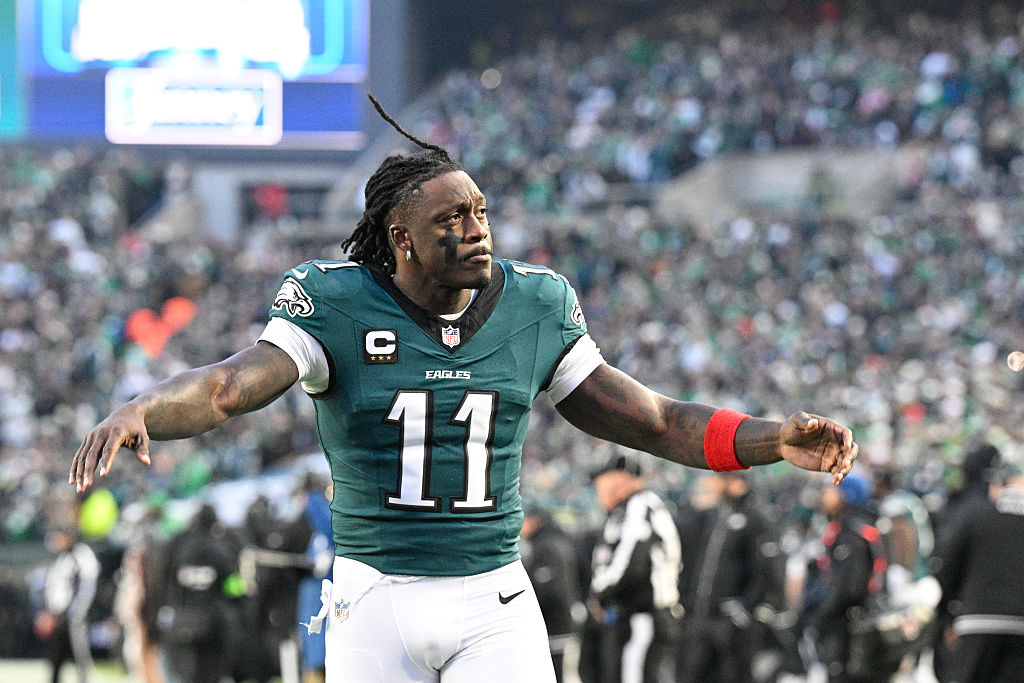
That’s why the heartfelt message from A.J. Brown resonated the way it did. The Philadelphia Eagles star wide receiver posted an emotional video to Instagram in response to Rondale Moore’s death, opening up about his own mental health struggles. Brown admitted that earlier in his career, he battled dark thoughts and moments where he felt overwhelmed. He encouraged anyone struggling to talk to somebody — a therapist, a friend, a teammate, family — and reminded people that taking your life is never the answer. Hearing a Pro Bowl talent, someone viewed as physically dominant and mentally tough, speak that openly about vulnerability hits different. It wasn’t preachy. It was real.
Brown isn’t alone either. Over the past few years, more football players have stepped into these conversations. Dak Prescott publicly discussed battling depression after the loss of his brother. Cam Newton has spoken about the emotional toll of criticism and expectations. When big names speak up, it chips away at the stigma — especially in Black communities and locker rooms where mental health hasn’t always been openly discussed. The reaction to Brown’s post has been largely supportive, with fans and fellow players thanking him for using his platform to raise awareness. Moments like this can push leagues, teams, and communities to invest more seriously in mental wellness resources instead of only addressing it when tragedy strikes.
At the end of the day, this is bigger than football. Rondale Moore’s death is a heartbreaking reminder that talent, fame, and opportunity don’t make someone immune to internal battles. His recent rehab posts showed a young man still fighting, still working, still believing he’d get back to himself physically. A.J. Brown’s message is a reminder that vulnerability is a strength, not a weakness. If anything good can come from such a painful loss, it’s the continuation of honest conversations and real support systems for athletes and everyday people alike, because no one fighting silent battles should ever feel like they have to fight them alone.
RELATED: LeBron James Finally Addresses Jaylen Brown’s Comments About Bronny’s NBA Skills