Purpose Behind the Lens: How Nate Edwards Films the Extraordinary
Purpose Behind the Lens: How Nate Edwards Films the Extraordinary Inside the Everyday
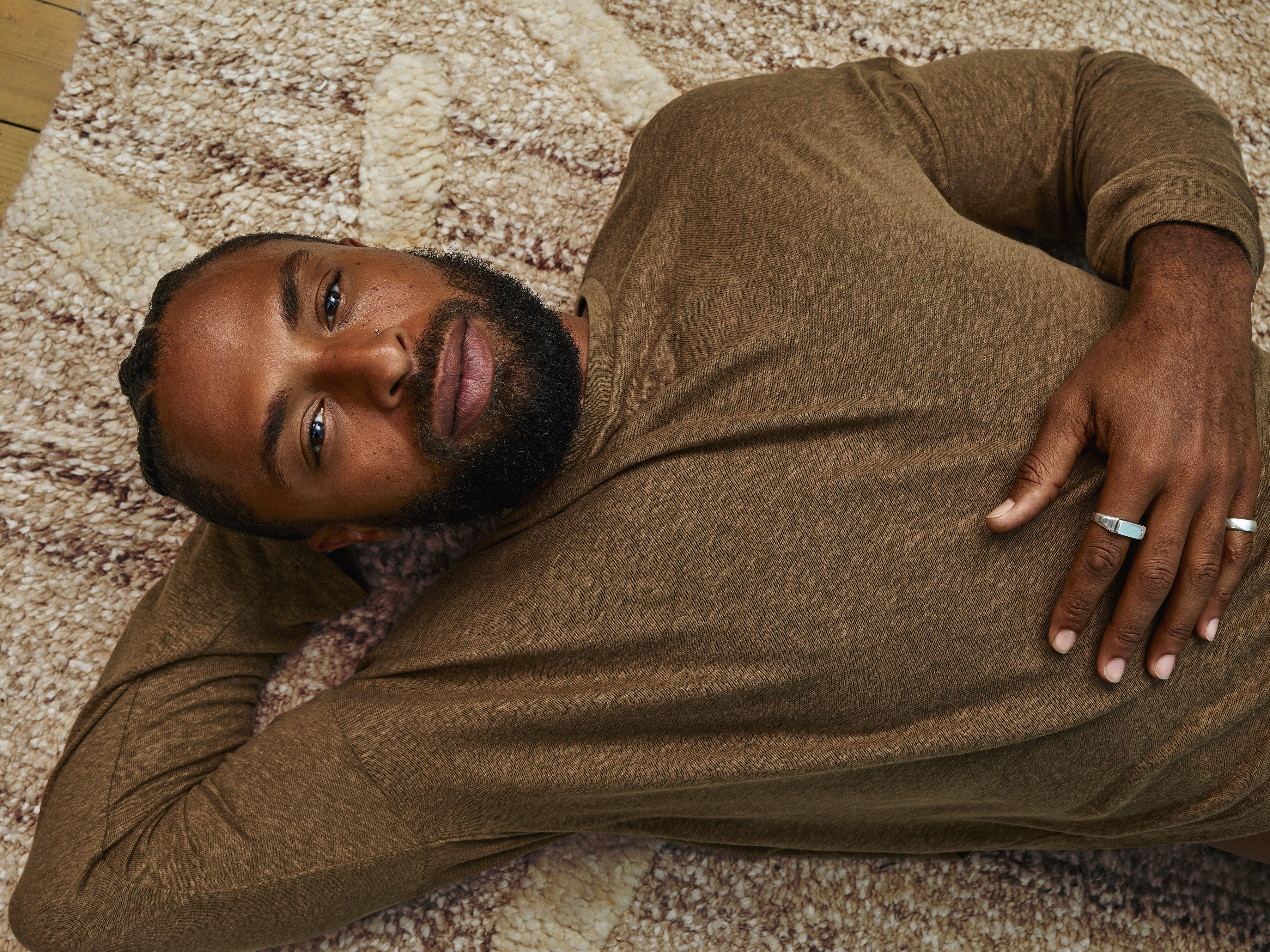
Nate Edwards didn’t stumble into filmmaking. He earned it — through two worlds, a family that treated storytelling like tradition, and a childhood speech impediment that forced him to learn rhythm before he ever learned the rules.
Edwards is best known for She Taught Love (streaming on Hulu), a film that matches his signature: tenderness, breath, and the kind of lived-in intimacy that doesn’t perform for anyone. Outside of narrative, he’s also directed commercials and music videos — reps that teach you how to find meaning fast, execute with precision, and still leave room for feeling. Whether it’s a campaign like PlayStation x HOKA, the Hyundai Sonata, or a music video built on pure mood, the through-line stays the same: Edwards films the everyday like it matters.
He grew up in Houston, Texas, but spent pivotal time in Lake Charles, Louisiana, where family gatherings, country air, and long Sundays in church weren’t just routine — they were training. “When I look back now and I think of the storytellers… the family gatherings… the unconscious passing through traditions and the way my family speaks and shares information,” Edwards tells Cassius Life, “I really felt this conscious duality… that allowed me to start to look at patterns.” Even before film, he was already studying people. Already reading rooms. Already clocking the moments that mattered. And in that early education, he learned something that still defines his work today: the extraordinary lives inside the everyday — if you know how to frame it.
Sunday Service, Saturday Cookouts
Edwards describes his upbringing as a split-screen life: Houston’s city hustle on one side, Lake Charles’ country grounding on the other. His dad sold insurance; Edwards was helping so early he jokes he could’ve written policies by age 10. On weekends, he’d bounce into another rhythm entirely — cookouts, riding four-wheelers, and family everywhere. Both sides ran deep in faith, too: strict Catholic services some Sundays, marathon Baptist church services on others.
That mix gave him what a lot of filmmakers chase later: range. Not just in location, but in perspective — city and country, laughter and responsibility, tradition and ambition. And then there was the thing he rarely talked about publicly: a stutter that followed him through childhood.
The Stutter That Taught Him Rhythm
Edwards says he had a “really bad speech impediment… a horrible stutter” until around the fourth grade. He never went to a specialist. Instead, his mom pushed him into public speaking and refused to let him shrink. “She would sit me down and be like, ‘Nathan, nothing’s wrong with you. Your mind moves faster than your mouth can.’”
That challenge quietly shaped his storytelling style. If a word wouldn’t come out, he’d find another route. If a pause showed up, he learned to own it. “Eventually it started being like, ‘This is just a dramatic pause that I can take,’” he says. “And then let me find another way to get into the story.” Before cameras, that was his first directing lesson: control the tempo. Keep the audience with you. Film would become the medium where he could combine everything — pattern recognition, emotion, family language — and communicate without fear.
The Festival Heartbreak That Lit the Fuse
The moment Edwards realized this wasn’t a hobby didn’t come with applause. It came with embarrassment. In 2010, a friend pulled him into a small campus film festival at Morehouse College. He didn’t have a story and didn’t think it was that serious — until it was time to premiere. He made a meta film about a filmmaker trying to make his first film. He thought it was genius. He told everybody to show up.
Then his film didn’t make the cut. The organizers played a fast reel of the projects that didn’t get selected. Edwards says his “heart literally dropped,” tears came, and he stormed out. “Just like a diva,” he laughs now, but the moment cut deeper than he expected. Back in his room, he asked himself the question that changed everything: If I didn’t even care that much… why does this hurt? That’s when he got honest. He enjoyed it. He wanted it. And he had something to prove. He grabbed a camera and started running reps.

Saying Yes, Then Seeing the World
What started as a chip on his shoulder became a passport. Edwards pitched his school on letting him document a study abroad trip — a boat journey with 20-plus Black men traveling through Central America. He wanted to capture the transformation: first-time passports, first-time worldviews, the growth that happens when you leave the block and see the map expand.
The school said yes. He shot it. He edited it. They loved it. Then they financed another documentary trip — this time to Thailand, focused on one student. In the years that followed, Edwards says he traveled to more than 15 countries across Africa, Europe, and beyond, fueled by a camera and the courage to keep saying yes. “I was so amazed by the places that… film and being able to show up with the camera was taking me,” he says. “I was like, ‘Oh no — this is what I’m supposed to be doing.’” He knew he wanted narrative filmmaking, but the idea of writing intimidated him. Documentaries let you discover the story after the fact. Narrative demanded that you build it from scratch. That’s what eventually pushed him toward film school: not for permission, but for precision.
The Extraordinary Inside The Everyday
Edwards’ signature is how he makes regular life feel mythic — without making it fake. He describes walking down a street and seeing a slice of light cut through an alleyway. Something small. Something most people ignore. “And you’re like, ‘Wow — this is beautiful,’” he says. “This small bit of essence… this is it.” His approach is part instinct, part film language: the right pocket of light that turns someone’s head into a halo, a low-angle push-in that makes a subject feel heroic, the visual grammar that tells audiences, this person matters. He doesn’t treat beauty like a luxury reserved for certain zip codes. He treats it like a right. “Black is beautiful,” he says plainly — and he sees his job as proving it in the frame.
A Director’s Voice: Familiarity
Ask Edwards what he wants his work to feel like, and he doesn’t reach for a trendy label. He reaches for something more human: familiarity. Even if viewers don’t connect to the exact relationship or circumstance on screen, he hopes they connect to the breath — the stillness, the pauses, the space where real feeling lives. And he’s honest about the journey: he doesn’t claim his voice is finished. He believes it should evolve with subject matter and genre. But that through-line remains: make it land emotionally. Make it feel lived-in. At minimum, he wants people to walk away having felt something.
Letting The Ego Die
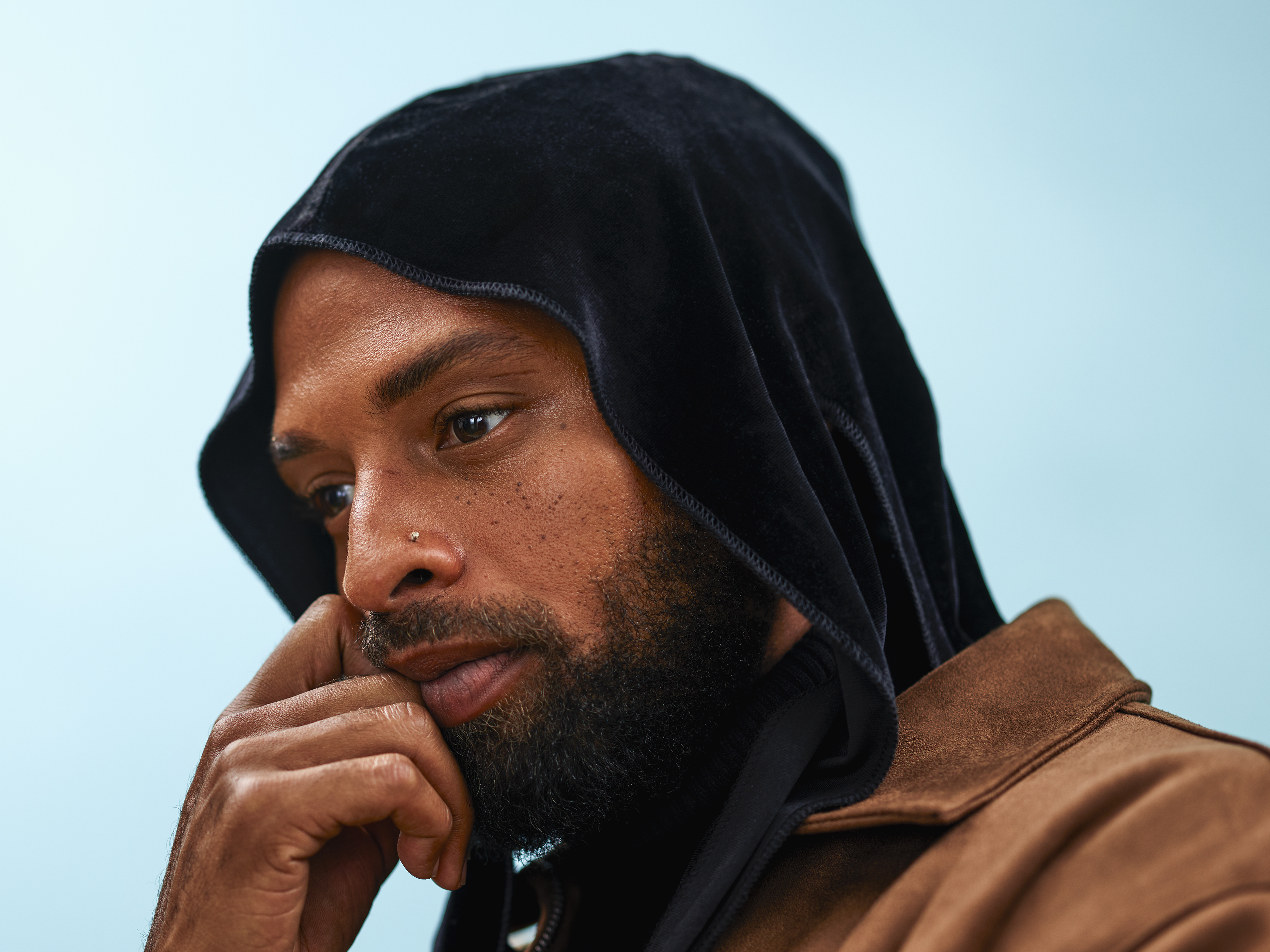
Edwards doesn’t romanticize his path. He names the lesson that would’ve saved him years if he learned it earlier: “letting my ego die.” Fresh out of film school, he thought he had it all figured out — until life reminded him he didn’t. He describes leaving Los Angeles, going back home, working again at his dad’s insurance agency, maxing out credit cards to chase short films wherever he could. Then came a reset: consistency, service, and collaboration that forced him to show up for the work — not the fantasy of what the work would make him. That humility became fuel. The reps became the teacher. And in his mind, the mission is simple: get out of your own way so you can become who you actually are.
Unlimited Joy
While directing a recent Target spot, Edwards described purpose as building from a lived-in place first—so when everything else gets added, the foundation still feels pure. When the conversation turns to culture, Edwards becomes even clearer. He believes in telling stories from within community—not performing for an outside gaze. You don’t need every person on set to share the same background, he says, but everyone has to understand the “why.” The story is why you’re there. The purpose is the anchor. And you need people around you who can check you when you drift.
He calls it a real-life checks-and-balances version of “for us, by us.” Then he offers the truth he wants normalized onscreen—not as an idea, but as a demand: “The unlimited joy.” Joy in all its facets. Joy even among struggle. Joy that doesn’t need tragedy as its entry ticket. Joy that doesn’t have to be reduced to punchlines or packaged as a side quest. He wants Black stories that feel good—not shallow, not silly, not sanitized—just whole. Because we are.
Freedom, Liberation, Expansiveness
Purpose isn’t just how Edwards works. It’s what he wants his work to leave behind. When asked what he wants his career to represent in the culture, he doesn’t hesitate: freedom, liberation, expansiveness. He describes the feeling audiences get when they see filmmakers from other cultures tell stories with scope — stories that don’t feel trapped in expectation. That kind of artistic permission. That widening of the frame. He wants that for us. Not a single lane. Not one type of Black story. Not a ceiling disguised as a category. Just the sense that we can tell any story — and tell it well.


