Black Drivers In NASCAR: The Ones Who Changed The Sport
Black NASCAR Drivers: A Timeline Of The Ones Who Changed The Sport
- Michael Jordan's ownership of a championship-winning team symbolizes the sport's transformation and expanded possibilities.
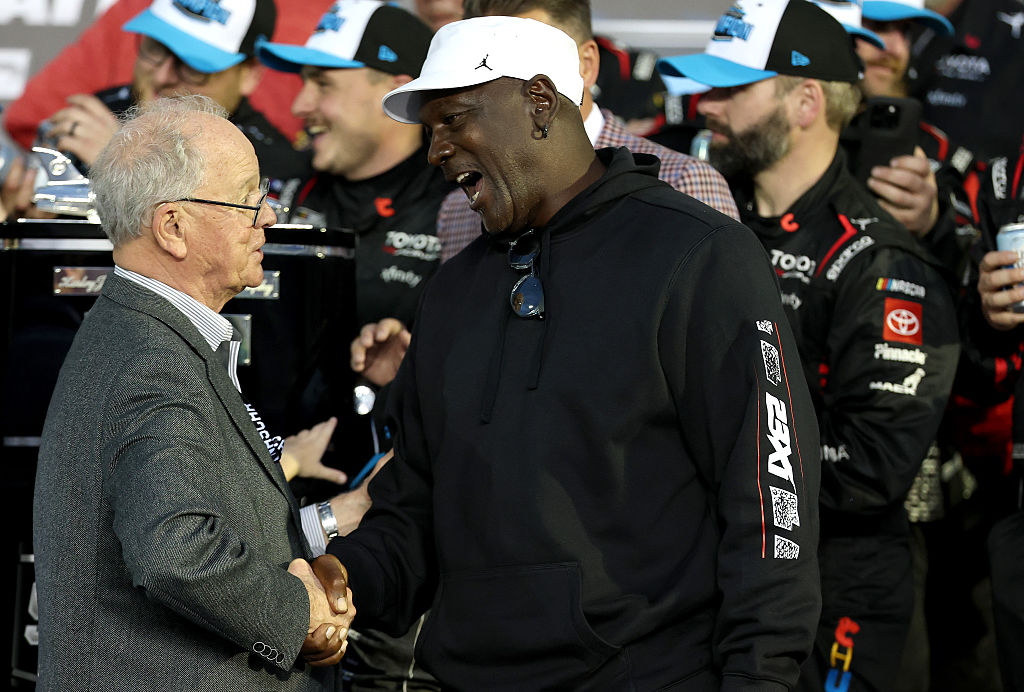
On Sunday, Michael Jordan got one of the coldest early birthday gifts imaginable: his team standing tall in victory lane at the Daytona 500. Through his ownership stake in 23XI Racing, Jordan watched his car outrun the entire field in what’s considered the Super Bowl of stock car racing. For a sport that once felt like it existed in a completely different cultural universe than the one MJ helped define, seeing a Black owner hoist that trophy hits different. It wasn’t just a win — it was history lapping the past.
To really understand why this moment matters, you have to understand what NASCAR has been. Founded in 1948, NASCAR grew out of Southern car culture, moonshine running, and grassroots racing traditions. For decades, though, it was also a space where Black drivers weren’t given the same opportunities, resources, or visibility. It wasn’t just about talent — it was about access. Sponsorships, team support, and basic inclusion were barriers that kept many talented Black racers on the outside looking in.
That’s why Jordan’s presence as an owner feels like a full-circle moment. Before there were Black owners, there had to be Black drivers bold enough to break down doors that weren’t built for them. Drivers who raced without proper funding. Drivers who faced open racism from fans and competitors. Drivers who kept showing up anyway, knowing they were carrying more than just their helmets — they were carrying representation.
Slowly but surely, the sport evolved. From the early pioneers who risked everything just to be on the track, to modern stars like Bubba Wallace who’ve turned visibility into victories, each generation pushed NASCAR closer to what it’s becoming today. Jordan owning a championship-caliber team isn’t the beginning of the story — it’s the result of decades of persistence, resistance, and undeniable excellence. Now, let’s break down the timeline of the Black drivers and figures who changed NASCAR forever.
TIMELINE OF BLACK DRIVERS IN NASCAR — THE PIONEERS & GAME CHANGERS
1950s-1970s: Wendell Scott — The Original Trailblazer
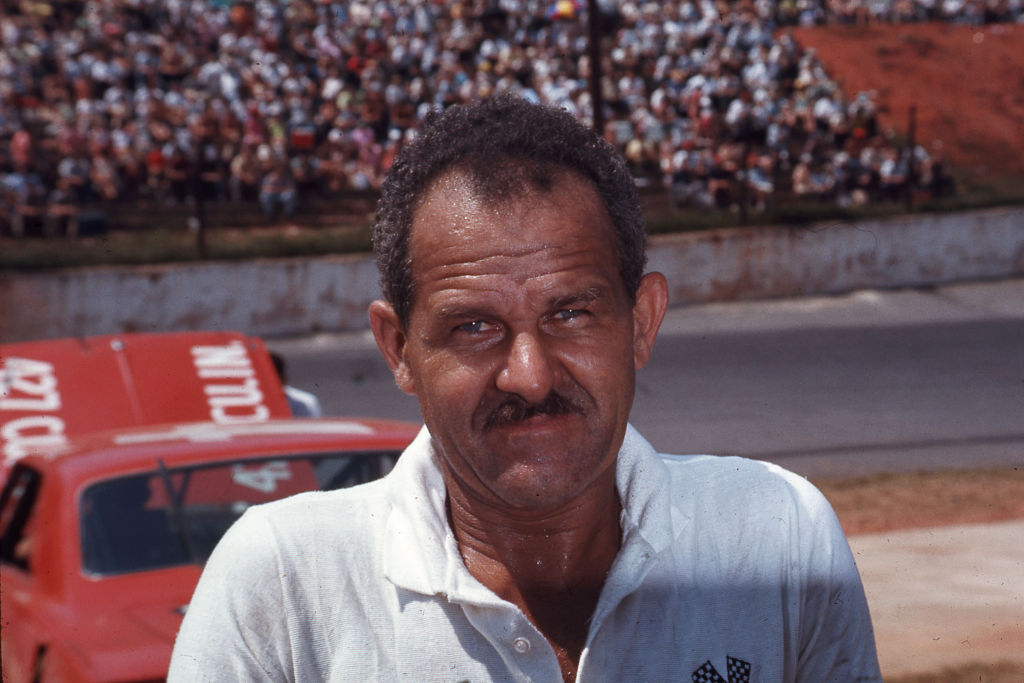
Wendell Scott is the foundation. Period. In 1963, Scott became the first Black driver to win a race at NASCAR’s highest level, though he wasn’t even awarded the trophy at the time because officials feared backlash from racist fans. He often had to build and repair his own cars because teams and sponsors wouldn’t support him. Despite all that, he still finished his career with 147 top-10 finishes and became the first Black driver inducted into the NASCAR Hall of Fame. Scott didn’t just race — he survived. By surviving, he made it possible for everyone who came after him.
1980s-1990s: Willy T. Ribbs — The Fearless Competitor
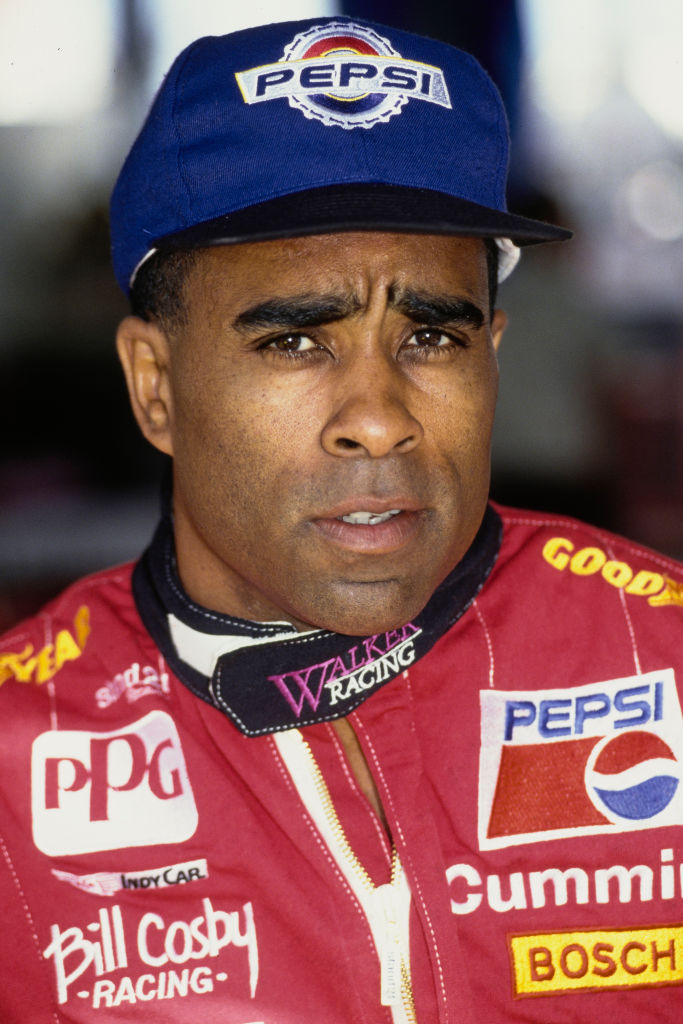
Willy T. Robbs brought swagger and confidence into spaces that weren’t always welcoming. Though he’s often associated with IndyCar, Ribbs also competed in NASCAR during the 1980s, refusing to be intimidated by hostile crowds or unfair treatment. He once said he raced with a target on his back — and embraced it. His presence helped normalize the idea of Black drivers in NASCAR competing at elite levels across motorsports.
2000s: Bill Lester — Breaking Into NASCAR’s Modern Era
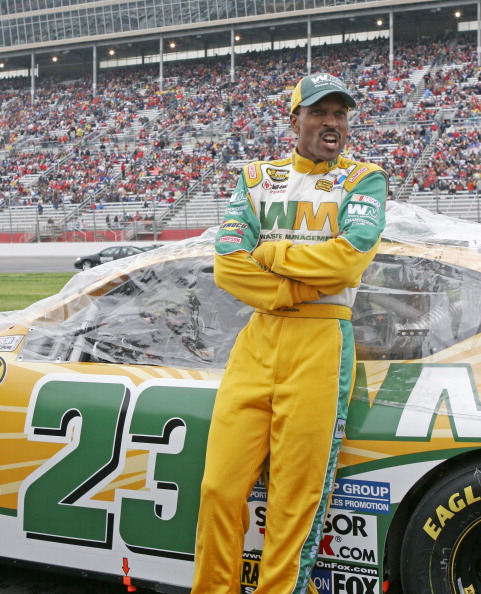
Bill Lester became the first Black driver to compete in NASCAR’s Cup Series in nearly two decades when he qualified for races in 2006. He also had a strong presence in the Truck Series, where he earned multiple top-10 finishes. Lester’s career helped bridge the gap between NASCAR’s early pioneers and the modern generation. He proved that Black drivers still belonged — and a couple compete at the sport’s highest level.
2010s-Present: Bubba Wallace — The Modern Face Of NASCAR
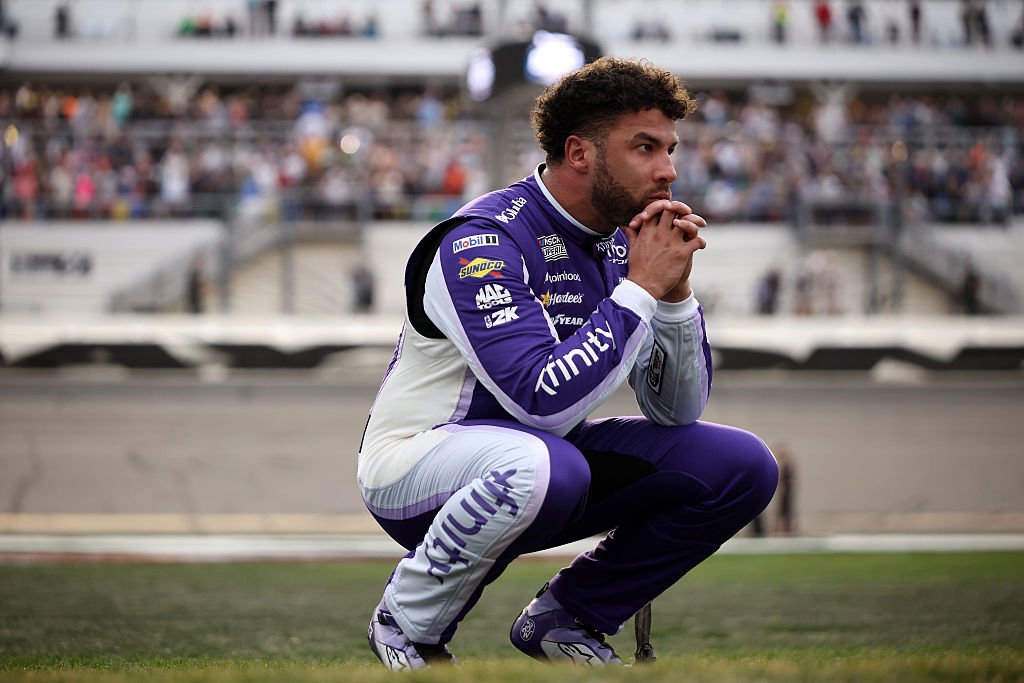
Bubba Wallace didn’t just enter NASCAR — he changed it. In 2021, he became only the second Black driver ever to win a Cup Series race. Beyond Racing, Wallace helped push NASCAR into conversations about racial equality and representation, becoming one of the sport’s most visible figures. His partnership with Michael Jordan at 23XI Racing symbolized a shift — not just in opportunity, but in ownership, power, and influence.
2020s: Jesse Iwuji — From Navy Officer To NASCAR Driver & Owner

Jesse Iwuji took an unusual path into NASCAR as a U.S. Navy officer turned professional driver. But he didn’t stop there — he also became a team owner, helping create more opportunities for diverse drivers in the sport. His presence represents a new era of leadership and access. He’s helping reshape NASCAR not just from behind the wheel, but also from the front office.
2020s-Present: Rajah Caruth — The Future Of NASCAR
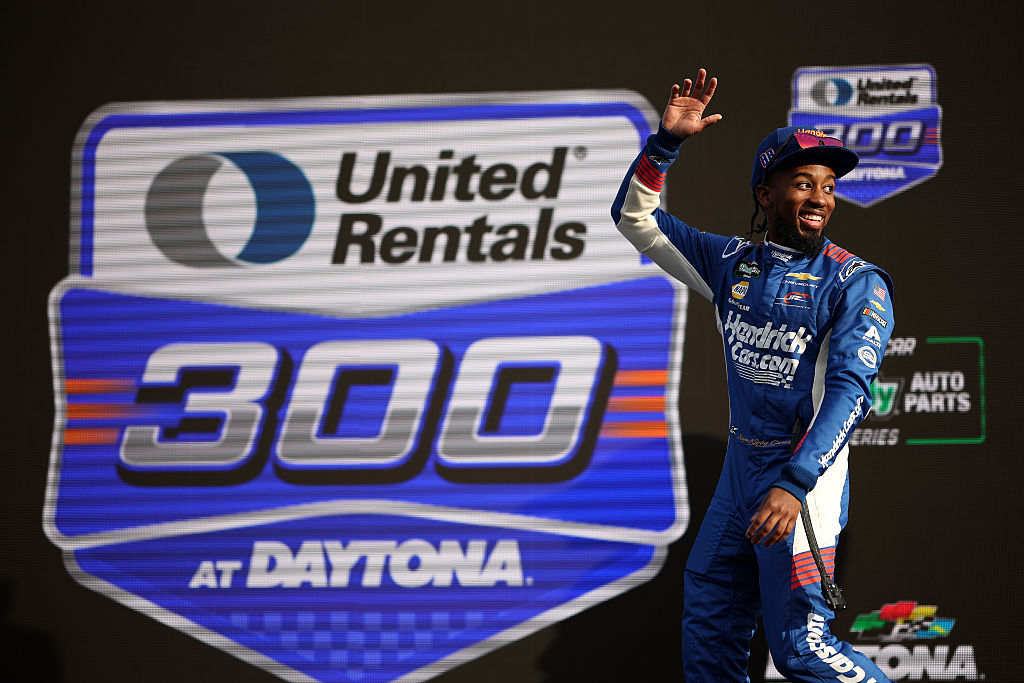
Rajah Caruth represents the next generation. A digital-native racer who got his start through racing simulators, Caruth worked his way into NASCAR’s national series and quickly proved he belonged. His success signals how much the sport has evolved — from exclusion to cultivation. He’s not just part of NASCAR’s future, he’s part of its transformation.
2020: Michael Jordan — Changing The Game As An Owner
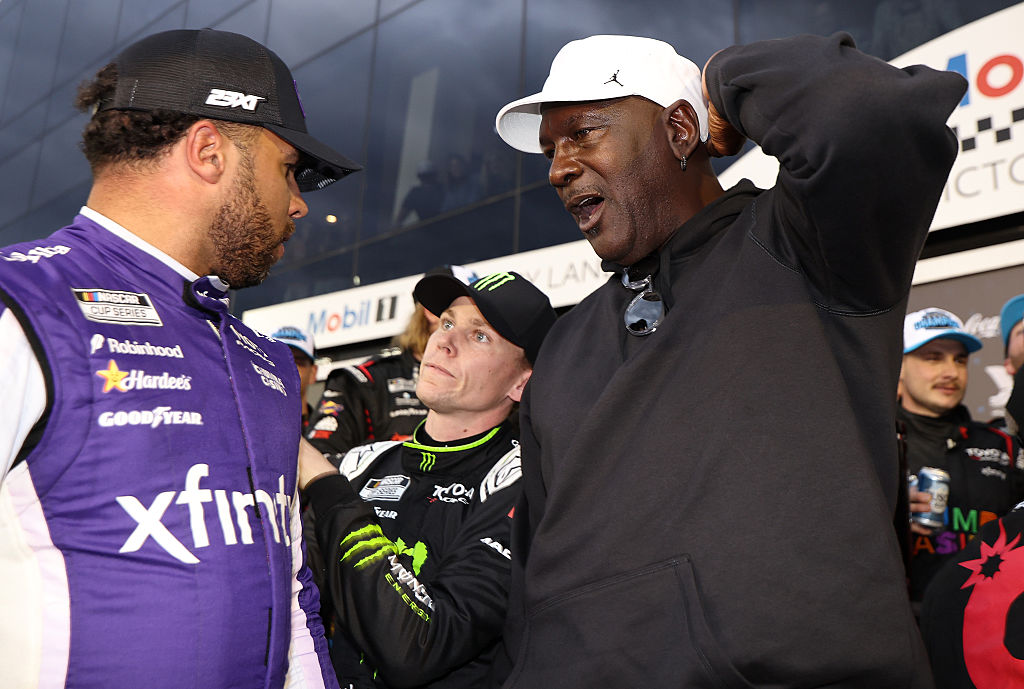
When Michael Jordan became a NASCAR team owner in 2020, it shattered one of the last remaining barriers. Ownership represents power. Influence. Legacy. Seeing a Black man who already conquered basketball now win at NASCAR’s highest level speaks volumes. Jordan didn’t just enter NASCAR; he expanded what felt possible within it.
The Bigger Picture
From Wendell Scott fighting just to hold a steering wheel to Michael Jordan holding a championship trophy as an owner, the journey of Black excellence in NASCAR has been long, difficult, and powerful. Every lap these pioneers turned helped move the sport forward — even when it didn’t always move forward with them. Now, NASCAR looks different. It feels different. Moments like Sunday’s Daytona 500 win prove that history isn’t just something we look back on — it’s something still being written in real time.
RELATED: 23 Moments That Prove Why Michael Jordan Is Still The Greatest Of All Time