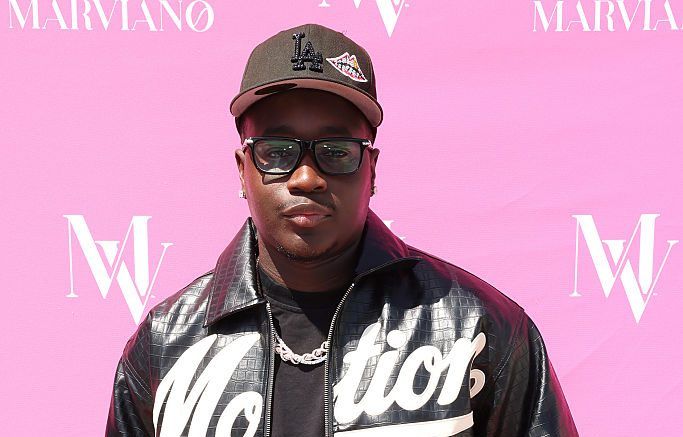
How Jay-Z helped normalize therapy in hip-hop
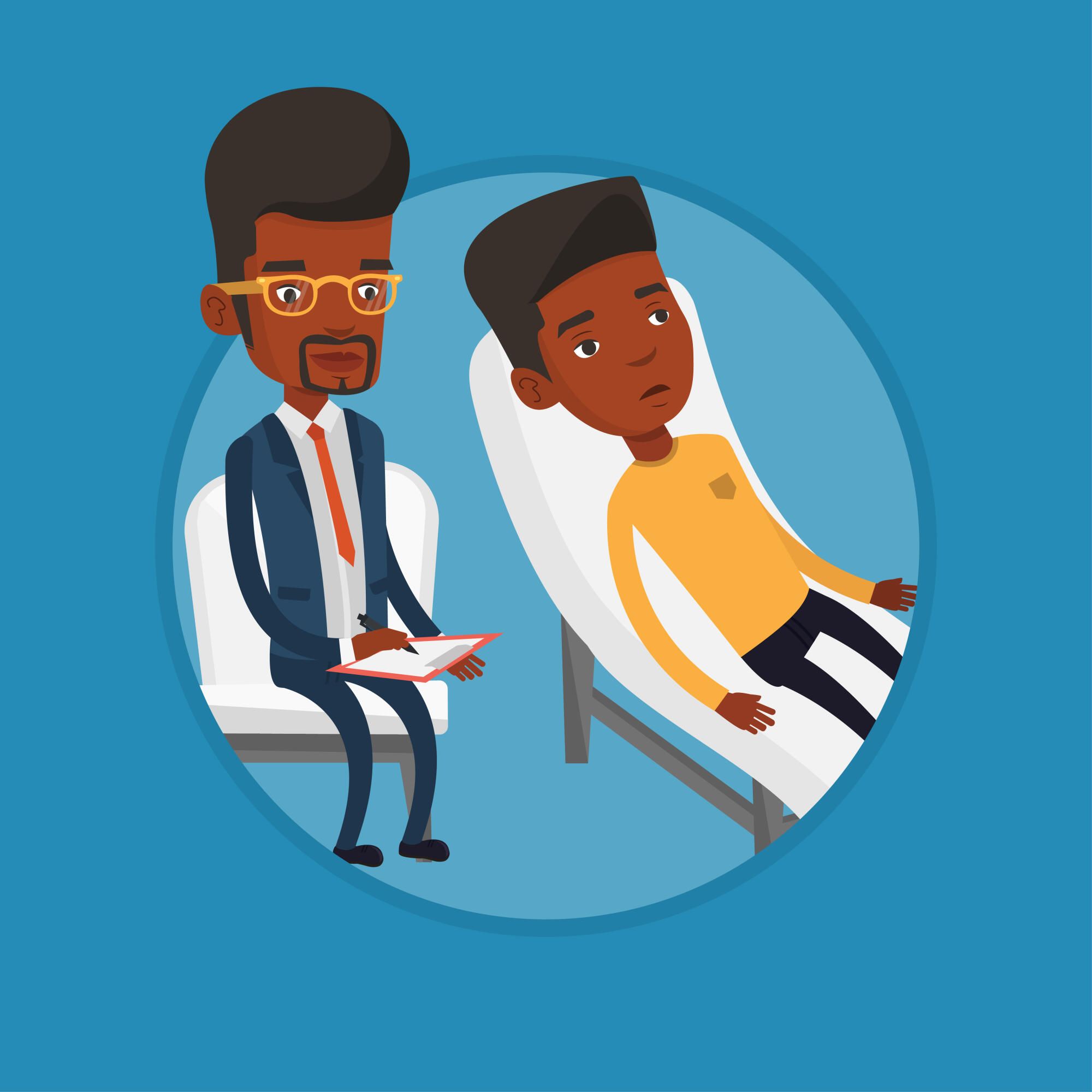
Jay-Z helped to normalize therapy in the hip-hop world by openly discussing his own experience of counseling and emphasizing that it is perfectly acceptable to show emotional vulnerability. His words resonated with fans who had never before witnessed a rapper speak openly about his fears and personal recovery process.
Why is it relevant? According to the data available on federal treatment, in 2024, only 14.7 percent of Black Americans underwent mental health treatment, while the figure was 22.9 percent among all American adults.
It is clear that in the case of this group, the importance of cultural representation is obvious. Even though Jay-Z was not the first rapper to speak about therapy, his approach allowed him to create an environment where it is more understandable for fans.
How Jay-Z Helped Normalize Therapy
In 2017, Jay-Z released 4:44, which was an unusually honest album for him, addressing his marital mistakes and emotional isolation that he developed in his youth.
Afterward, he admitted in an interview with Dean Baquet that, thanks to therapy, he realized how his emotions are linked to events from earlier in life. Jay-Z also stated that he and Beyoncé had used art as a tool for counseling, as mentioned in this revealing interview recap. The rapper emphasized the significance of personal reflection and introspection.
4:44 Made Vulnerability Part of the Music
While rap is full of emotions of any kind, many artists tend to mask them with toughness. In 4:44, Jay-Z treats his regrets as something to reflect upon, not to run away from.
The connection between personal work and public art strengthened hip-hop mental health awareness because fans heard the accountability in Jay-Z’s music even before reading about the counseling behind it.
Sometimes people need more than openness to improve their condition. Mental health rehab in California may provide structured support when symptoms disrupt work or relationships.
His Message Challenged Old Ideas About Strength
The Jay-Z influence on mental health became even more apparent during the discussion with Van Jones in 2018 when the rapper called stigma related to the topic ridiculous and supported the idea of putting therapists in schools.
His message rejected the perception of men hiding their fears in order to look strong. In addition to that, an account of his comments emphasized the rapper’s desire to help young people solve their problems earlier. Communication with a professional may be very practical, while silence can make things worse.
Why Artists Supporting Therapy in Hip-Hop Can Shift Culture
Artists’ fame cannot overcome the issue of cost and lack of access to care, but they still can change the terminology of the discussion for their fans.
Artists advocating for therapy make seeking help visible. Besides that, their honesty will support breaking stigma in music because everyone is vulnerable regardless of his or her success.
Jay-Z made the topic sound not like a taboo, but like an important part of growing up. Perhaps, this was his greatest contribution to the debate.
The Conversation Is Bigger Than One Artist
Jay-Z helped normalize therapy, but the long-term change requires more than just a famous voice. Fans need affordable treatment and honest encouragement from trusted sources.
The rapper showed hip-hop how to speak about healing while not sacrificing pride and power. Read more stories about influential artists on Cassius.