Isaac Hayes Estate Settles With Trump Over Rally Use Of Song
Isaac Hayes Estate Settles With Trump Over Using “Hold On, I’m Coming” At Rallies
The Trump administration has a habit of using unauthorized music during the president’s pep rallies disguised as campaign rallies.
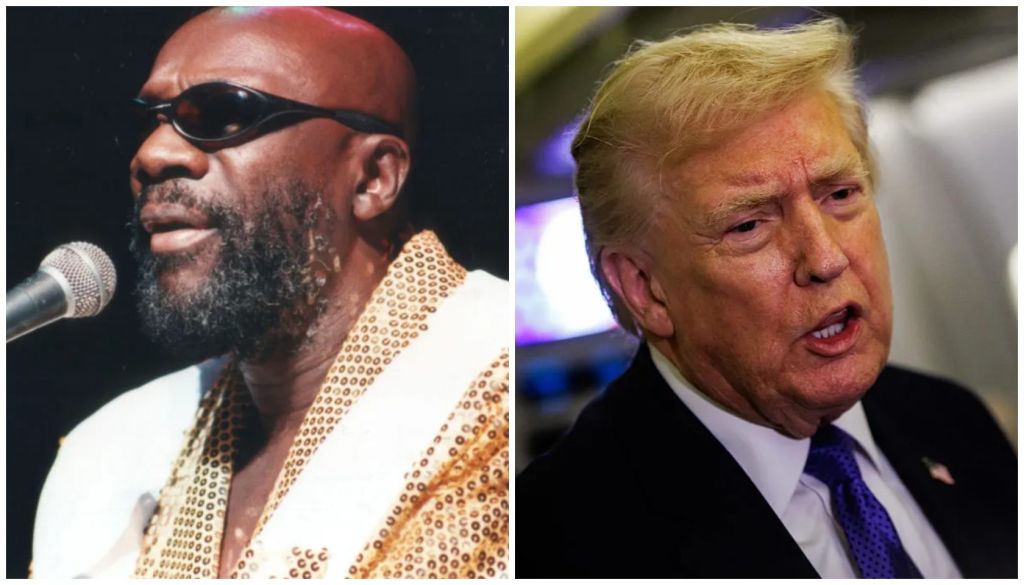
Well, the estate of the late musician Isaac Hayes has reached a settlement with President Donald Trump over his use of the song “Hold On, I’m Coming” at campaign rallies.
On Monday, a joint stipulation of dismissal with prejudice was filed in Atlanta. The terms of the dismissal were not disclosed.
“This resolution represents more than the conclusion of a legal matter,” the Hayes estate said in a statement, Deadline reports. “It reaffirms the importance of protecting intellectual property rights and copyrights, especially as they relate to legacy, ownership, and the responsible use of creative works. Isaac Hayes, Jr. dedicated his life to his craft, and his contributions to music and culture carry enduring value. As stewards of his legacy, we remain committed to ensuring that his work is respected and properly protected.”
The lawsuit, led by the singer songwriter’s son, Isaac Hayes III, on behalf of the Hayes estate, “sued Trump and other defendants in 2024 over the unauthorized use of the song at least 133 times. The estate also claimed that Trump personally selected the song to be played at his rallies,” Deadline reports.
David Porter, the co-author of the song written in 1966, also noted that he didn’t authorize the use of the song originally recorded by Sam & Dave.
The Trump campaign claimed that it had permission from a BMI license on Nov. 30, 2022, and added that the Hayes estate wasn’t the original license holder; Universal Music Publishing was.
“The Hayes estate said that the Trump campaign was “erroneous” in reading a 2024 Copyright Office assignment record. The attorneys also contended that the license was terminated via BMI letter, but the Trump campaign continued to use it,” Deadline reports.
Last year, U.S. District Judge Thomas Thrash dismissed false endorsement claims by the Hayes estate, but did allow the estate to claim infringement.
“We are proud that this matter has helped further a broader conversation surrounding intellectual property rights and the obligation to honor creators and their estates,” The Hayes estate said in the statement. “Protecting ownership is not only about the past, it is about preserving dignity, value, and accountability for future generations.”


